
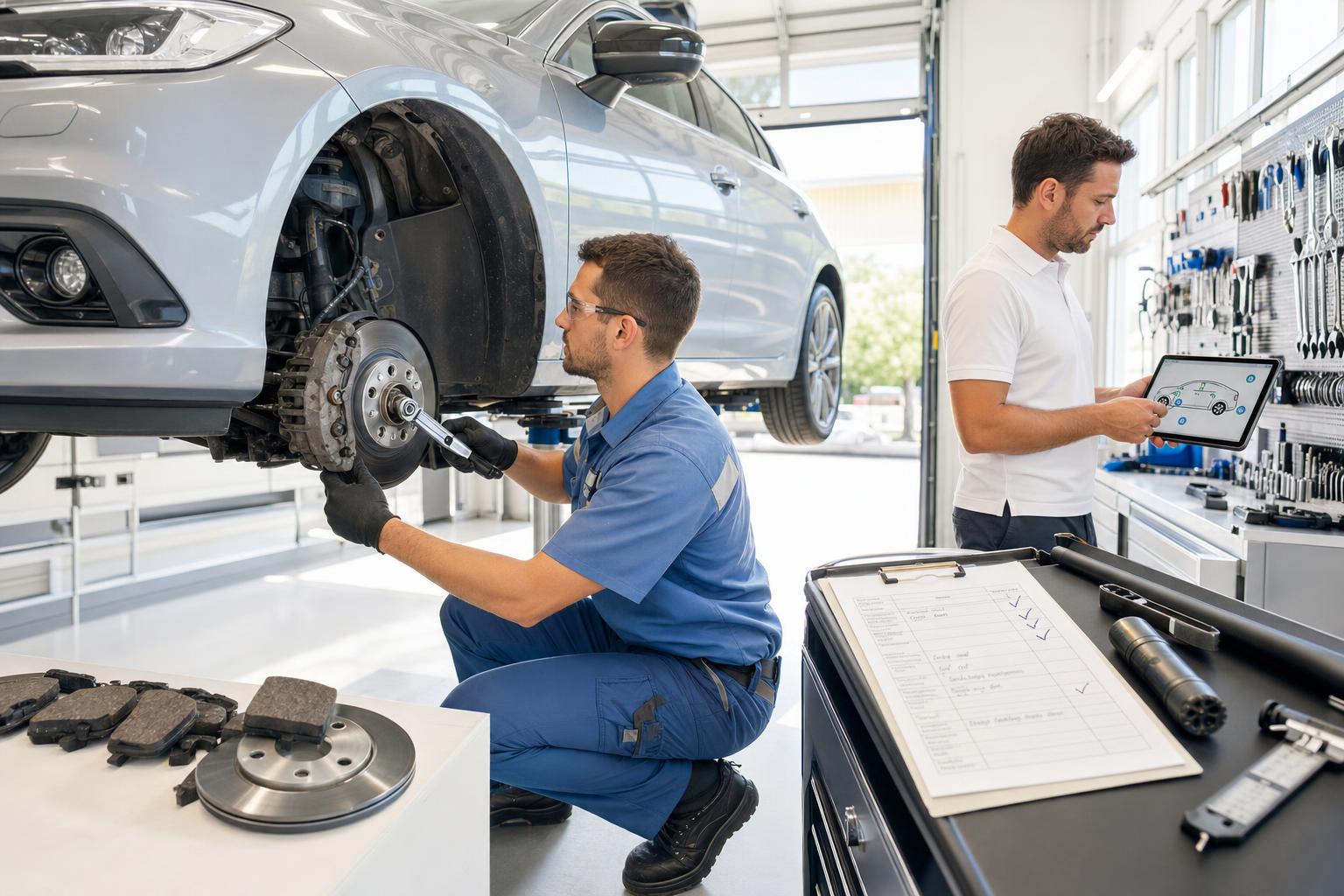
Your vehicle failed the safety inspection. Your stomach dropped. However, a fail is not a verdict on your car. It is simply a list.
Some items on that list are twenty-dollar fixes. Others are bigger jobs. Consequently, the first step is to understand which is which, and then decide your next move. In addition, you are free to take that list to any shop you trust.
TL;DR: Quick Answers
- A failed safety inspection in Ontario gives you a list of specific defects. You do not have to fix everything at the shop that tested your car.
- You generally have a limited window, often around 10 days, to complete repairs and get a re-inspection before the original inspection results expire.
- You can take your vehicle to any licensed repair shop for the actual repairs, then return for a re-inspection, which carries a fee.
- A safety standards certificate only confirms your car met minimum standards on the day it was issued. It is not an ongoing guarantee, according to Ontario’s official safety standards certificate page.
Table of Contents
- What Happens If My Car Fails a Safety Inspection in Ontario?
- Understanding Your Safety Inspection Fail List
- How Many Days Do I Have to Fix a Failed Safety Inspection?
- Can I Get Repairs Done Anywhere After a Failed Safety Inspection?
- Cheap Fixes vs Major Repairs: What Is Worth It?
- Does a Failed Safety Inspection Affect My Car Insurance?
- Safety Certificate vs Emissions Test: What Is the Difference?
- Can a Dealership Sell a Vehicle With a Safety Recall in Canada?
- What If a Shop Fails My Car for Repairs I Do Not Need?
- Is It Worth Fixing a Car That Failed Safety?
- How Long Does a Safety Inspection Take in Ontario?
- Manager’s Checklist: Your Next Steps
- Key Takeaways
- Frequently Asked Questions
What Happens If My Car Fails a Safety Inspection in Ontario?
If your car fails, the shop gives you a detailed list of every item that did not pass. As a result, you cannot license the vehicle in Ontario until those items are repaired and it passes a re-inspection. You can, however, sell the vehicle in as-is condition.
This process protects buyers and drivers across Canada. For example, a failed brake system or worn tie rod poses a real risk on the road. Therefore, the inspection exists to catch these issues before they cause accidents.
Importantly, a fail does not mean your car is worthless. Instead, it means specific parts need attention. Many failed items are minor, such as a burnt-out bulb or a cracked windshield. Others, like frame rust, are more serious.
Understanding Your Safety Inspection Fail List
Once you get your list, read it carefully. Each item usually names the exact part and the reason it failed. In addition, most shops separate items into categories like brakes, steering, suspension, tires, and lights.
What fails a safety inspection in Canada typically falls into a few common groups. Understanding these groups helps you plan your budget and your timeline.
- Lighting and signals: Burnt bulbs, cracked lenses, or misaligned headlights.
- Tires: Tread depth below the legal minimum, sidewall damage.
- Brakes: Worn pads, rusty rotors, or corroded brake lines.
- Steering and suspension: Worn ball joints, tie rods, bushings or broken springs.
- Body and frame: Structural rust in the unibody, floor pan, or front/rear cradle, sharp edges, or unsecured body panels.
- Exhaust and Fuel: Active exhaust leaks along pipes, broken hangers, or any fuel and fluid leaks.
If you want a deeper breakdown of what inspectors check, our Ontario safety inspections page walks through the full checklist used across the province.
How Many Days Do I Have to Fix a Failed Safety Inspection Before Re-Inspection Is Void?
You generally have a set number of days, often around 10 days from the initial inspection date, to complete repairs and return for a re-inspection at the same shop. After that window closes, you typically need a brand new inspection.
This timeline matters more than most people realize. Consequently, it is wise to confirm the exact deadline with your shop the moment you receive your fail list.
Many shops write the exact expiry date directly on your paperwork. Therefore, always ask for this in writing before you leave the shop.
Can I Get Repairs Done Anywhere After a Failed Safety Inspection?
Yes. You are not required to repair your vehicle at the shop that failed it. You can take your fail list to any licensed repair facility in Ontario, complete the work, and then return for a reinspection for a fee.
This flexibility exists for good reason. Shopping around often saves money, especially on larger repairs like suspension or brake work. However, keep your original fail sheet with you, since the re-inspecting shop will need to see exactly what was flagged.
If you are unsure where to go, our guide on how to choose the right shop to repair your vehicle covers what to look for, including certifications and warranty terms.
Cheap Fixes vs Major Repairs: What Is Worth It?
Some failed items cost very little to fix. Others require significant labour and parts. Below is a general comparison to help you set expectations before you call a shop for a quote.
| Fail Item | Typical Fix | Cost Range (Approximate) | Complexity |
|---|---|---|---|
| Burnt-out bulb | Replace bulb | $30 to $100 | Very low |
| Worn wiper blades | Replace blades | $20 to $60 | Very low |
| Worn brake pads | Replace pads, replace rotors | $575 to $700 | Moderate |
| Cracked windshield | Replace glass | $400 to $1,000 | Moderate to high |
| Worn tie rod or ball joint, control arms | Replace steering or suspension part | $300 to $1,000 | Moderate to high |
| Structural unibody rust | Rocker panels | $1,000 per side | High |
Note that these figures are general estimates and vary by region, vehicle make, and labour rates. Nonetheless, this table gives you a starting point for budgeting your repairs.
Does a Failed Safety Inspection Affect My Car Insurance?
A failed safety inspection does not directly change your insurance premium. However, it can affect coverage in specific situations, such as a claim after an accident where a known defect contributed to the crash.
Insurers may ask questions if they discover your vehicle had unresolved safety issues at the time of a collision. As a result, it is smart to complete repairs quickly rather than delay them. Furthermore, driving with a known safety defect could expose you to liability in a dispute.
If you have already been in a collision and are unsure of your next steps, our article on what to do if you get into an accident outlines the process clearly.
Safety Certificate vs Emissions Test: What Is the Difference?
A safety standards certificate and an emissions test are two different checks. The safety certificate confirms mechanical and structural condition, while an emissions test measures how clean your vehicle’s exhaust is.
In Ontario, the safety standards certificate specifically confirms your vehicle met minimum safety standards on the date of inspection. It is not an ongoing guarantee, according to Ontario’s government page on safety standards certificates. This distinction matters, since a certificate from six months ago does not mean your car is still safe today.
Emissions testing, on the other hand, focuses purely on environmental output. If you notice unusual exhaust, our article on smoke coming from your tailpipe explains what different smoke colours usually mean.
Can a Dealership Sell a Vehicle With a Safety Recall in Canada?
Dealerships are expected to address open safety recalls before selling a used vehicle, though rules vary by province and dealer policy. Consequently, buyers should always check recall status themselves before completing a purchase.
You can check a vehicle’s recall history using its Vehicle Identification Number, or VIN, through Transport Canada’s recall database. In addition, a thorough pre-purchase inspection catches issues that recalls alone might miss. Our pre-purchase inspection service is built exactly for this situation.
What If a Shop Fails My Car for Repairs I Do Not Need?
If you suspect a shop flagged unnecessary repairs, get a second opinion from another licensed inspection station. Most legitimate fail items are documented with specific measurements, so a second shop can quickly confirm or dispute the findings.
This situation, while uncommon, does happen. Therefore, always ask the shop to show you the failed part in person, if possible. For example, a technician can show you brake pad thickness with a simple gauge. Moreover, keeping copies of every inspection report protects you if a dispute arises later.
Choosing a shop with a strong reputation reduces this risk from the start. Our page on quick and professional auto repair services explains what transparent, honest service should look like.
Is It Worth Fixing a Car That Failed Safety?
In most cases, yes, especially if the fail list contains common items like brakes, tires, or lights. However, if repair costs approach or exceed the car’s market value, replacing the vehicle may make more financial sense.
Before deciding, get a full quote for every item on your list. Then, compare that total against your vehicle’s current resale value. Our detailed guide on whether to repair your car or buy a new one walks through this exact decision.
Regular maintenance also reduces the odds of a big surprise at inspection time. In fact, our piece on maintaining your vehicle versus waiting for a breakdown shows why prevention usually wins financially.
How Long Does a Safety Inspection Take in Ontario?
A standard safety inspection usually takes about 80 – 120 minutes, assuming no major issues are found. However, busy shops or vehicles needing extra checks may take longer.
Booking ahead helps you avoid long waits, particularly during high-demand seasons. For example, many drivers rush to get inspections done before winter travel. Our article on finding car repair services for winter holiday travel offers useful timing tips.
Additionally, Canada’s aging vehicle fleet means inspections are catching more wear-related issues than in past years. According to Ontario’s safety standards certificate guidance, the certificate only reflects the vehicle’s condition at that single point in time, which is why regular check-ups matter even after you pass.
Manager’s Checklist: Your Next Steps After a Failed Safety Inspection
Step 1: Get your written fail list and confirm the re-inspection deadline in writing.
Step 2: Sort each item into “cheap fix” or “major repair” using your shop’s quote.
Step 3: Decide whether to repair on-site or get a second quote elsewhere.
Step 4: Book repairs early to avoid missing your re-inspection window.
Step 5: Keep every receipt and report in one folder for future reference.
Step 6: Return for re-inspection and have your certificate emailed to you.
Following this order keeps you organized and reduces stress. Furthermore, it helps you avoid paying for a second full inspection fee unnecessarily.
Key Takeaways
- A failed safety inspection gives you a specific list of defects, not a total condemnation of your vehicle.
- You typically have a limited window, often around 10 days, to complete repairs before needing a brand new inspection.
- You can take repairs to any licensed shop, not just the one that issued your fail list.
- Cheap fixes like bulbs and wipers cost very little, while brakes, steering, and subframe issues cost more.
- A safety standards certificate only confirms your car’s condition on the day it was issued, according to Ontario’s official page.
- Always check recall status and get a pre-purchase inspection before buying a used vehicle.
- If costs seem too high, weigh repair totals against your car’s current market value before deciding.
Frequently Asked Questions
What happens if my car fails a safety inspection in Ontario?
You receive a written list of failed items. You cannot license the vehicle in Ontario until those repairs are complete and it passes a re-inspection. You can, however, sell the vehicle in as-is condition.
Can I get repairs done anywhere after a failed safety inspection?
Yes, you can choose any licensed repair shop for the actual work, then return to any inspection station for the re-check.
How many days do I have to fix a failed safety inspection before re-inspection is void?
The Ministry of Transportation allows 10 days to complete repairs. After that, you pay for a completely new inspection.
Does a failed safety inspection affect my car insurance?
It does not change your premium directly. However, unresolved defects could complicate a claim if they contributed to an accident.
Is it worth fixing a car that failed safety?
In most cases, yes. However, if total repair costs approach your car’s resale value, replacing the vehicle may be the smarter choice.
What is a safety standards certificate?
It confirms your vehicle met Ontario’s minimum safety standards on the date of issuance. It is not an ongoing guarantee of safety.
If you are ready to tackle your fail list or simply want a second opinion, our team is here to help. Reach out to book your re-inspection or repair estimate today, and drive forward with confidence.